March 26th, 2026
55 Years of the C-212 Aviocar: The STOL Legend Now Transformed into the NC-212i in Indonesian Hands
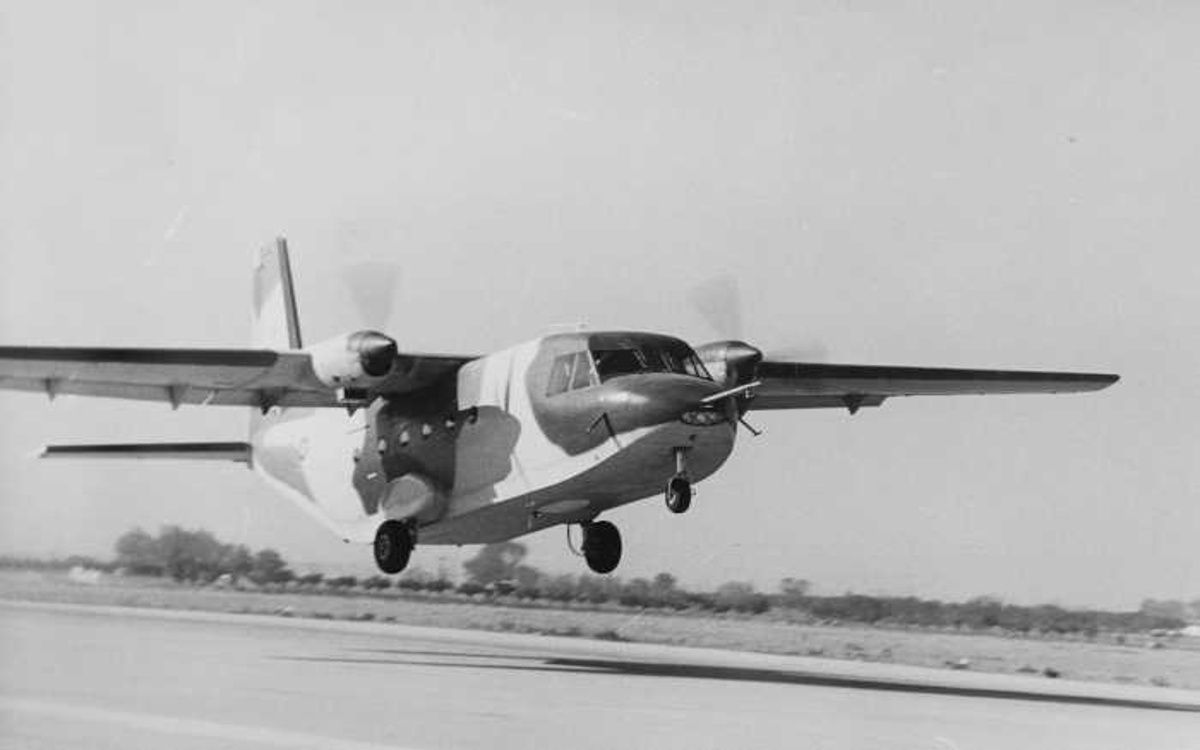
Today, March 26, 2026, the aerospace world recalls a historic event that occurred 55 years ago. On March 26, 1971, a twin-engine turboprop aircraft with a distinctive boxy design took off for the first time. That was the maiden flight of the CASA C-212 Aviocar in Getafe, Spain.
This first prototype aircraft was airborne for approximately 45 minutes under the control of veteran test pilot Ernesto Nienhuisen. This short flight marked the beginning of a successful light transport aircraft platform that would later transform air connectivity in remote areas around the world, including Indonesia.
The development of the C-212 stemmed from the Spanish Air Force's need to replace its aging fleet of transport aircraft, such as the Junkers Ju 52 and Douglas C-47. CASA (Construcciones Aeronáuticas SA) designed the C-212 as a robust yet low-maintenance tactical transport aircraft.
Its main feature was its rear ramp door, which allowed for easy loading of cargo or the parachuting of troops—a feature rare on aircraft of its class at the time. The success of this design quickly attracted interest from the civilian sector, making it a top choice for feeder airlines and cargo operators in regions with limited airport infrastructure.
What made the C-212 so popular? Its key feature was its short take-off and landing (STOL) capability. The aircraft could take off and land on short, unpaved runways, whether paved or grass.
Powered by two Garrett AiResearch TPE331 turboprop engines, the C-212 boasted a highly robust structure with fixed landing gear. These specifications made it a reliable workhorse capable of transporting up to 28 passengers or 2.8 tons of cargo. Its strength lay not in speed, but in its structural robustness and maneuverability in narrow mountain passes.
The Relay in Indonesian Hands: The Birth of the NC-212i
Indonesia's relationship with the C-212 is more than just a buyer-seller relationship. History records that in 1976, PT Dirgantara Indonesia (formerly IPTN) obtained an official license to manufacture this aircraft in Bandung. Over time, the global production center for the C-212 shifted. Today, PTDI is the only manufacturer in the world that produces all components and assembles this aircraft.
The latest evolution born from the hands of Indonesian technicians is the NC-212i. This aircraft is no longer the old Aviocar from the 1970s; the NC-212i has undergone major upgrades, particularly to the avionics and engine systems. Using a full glass cockpit and modern autopilot, pilot workload is drastically reduced while safety is significantly increased. The engine is also the latest variant, more efficient and powerful, keeping the NC-212i relevant amidst the competitive landscape of 21st-century aerospace technology.
Fifty-five years since Ernesto Nienhuisen fired the first C-212 engine in Spain, the aircraft's legacy lives on and thrives in Indonesia. The Bandung-built NC-212i now flies in various parts of the world, from Thailand and Vietnam to the Philippines, and even to countries in Africa and Latin America.
For Indonesia, the C-212 is more than just an aircraft; it is a symbol of successful technology transfer and proof that effective design will always find its way into the air across the ages. (Haryo Adjie)
Source: https://www.indomiliter.com/55-tahun-c-212-aviocar-sang-legenda-stol-yang-kini-menjelma-jadi-nc-212i-di-tangan-indonesia/